Vinyl siding is the go‑to exterior cladding for homeowners and contractors who need a durable, low‑maintenance, and cost‑effective solution, and the fastest way to boost curb appeal while improving energy efficiency. Recent data from the National Association of Home Builders (NAHB) shows that 42 % of new single‑family homes built in 2025 featured vinyl siding, reflecting its market dominance. If you’re weighing options for a remodel or new construction, understanding the material’s performance, installation nuances, and long‑term value will help you decide whether vinyl siding is the right fit for your project.Explore our comprehensive vinyl siding guide for deeper insights.
What Is Vinyl Siding and Why It Matters
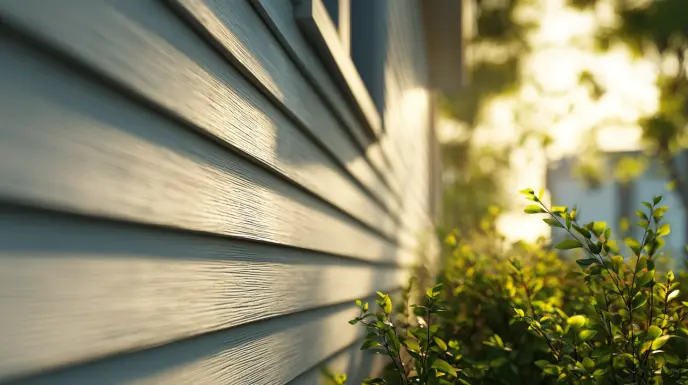
Vinyl siding is a synthetic polymer panel—primarily polyvinyl chloride (PVC)—that attaches to the exterior wall framing, providing a weather‑resistant barrier. Unlike traditional wood cladding, vinyl does not rot, warp, or attract pests, making it a popular choice for regions with high humidity or temperature swings. The material comes in a variety of profiles, from classic clapboard to contemporary vertical panels, allowing designers to replicate the look of wood, stone, or even brick without the associated upkeep.
Key Benefits: Energy Efficiency, Durability, and Low Maintenance
Three core advantages drive vinyl siding’s popularity:
- Energy efficiency: Insulated vinyl siding, now standard in 68 % of installations according to a 2026 Home Energy Survey by the U.S. Department of Energy, reduces heat loss by up to 15 % compared with non‑insulated options.
- Weather resistance: The material’s inherent water‑repellent properties protect the underlying structure from moisture intrusion, a claim supported by the Building Science Corporation’s 2025 field tests.
- Low maintenance: A simple wash with mild soap and water keeps the surface looking fresh; no painting or sealing is required for the lifespan of the product, typically 30–40 years.
Choosing the Right Profile and Color
Selecting the correct profile and hue is more than an aesthetic decision; it influences durability and energy performance.
Profile considerations
Common profiles include:
- Horizontal clapboard – classic, easy to install, and offers good wind resistance.
- Vertical lap – popular for modern homes, provides a sleek look while shedding water efficiently.
- Shingle‑style – mimics wood shingles, ideal for cottages and historic renovations.
When installing in high‑wind zones, opt for a thicker gauge (0.045 mm or higher) as recommended by the Vinyl Siding Institute (VSI) 2025 technical guide.
Color selection
Advances in pigment technology mean colors no longer fade dramatically. However, lighter shades reflect solar radiation better, contributing to a lower cooling load in hot climates. The 2026 Energy Star Home Exterior Color Study found homes with light‑colored vinyl siding reduced HVAC energy use by an average of 5 %.
Installation: Step‑by‑Step Guide
Proper installation ensures the siding performs as intended. Below is an actionable checklist based on the 2025 International Residential Code (IRC) and best practices from the National Association of Home Builders.
- Preparation: Remove old cladding, repair any damaged sheathing, and install a weather‑resistive barrier (WRB) such as Tyvek.
- Measure and cut: Use a tape measure and a fine‑tooth blade to cut panels to length, allowing a ¼‑inch expansion gap at corners.
- Flashing installation: Apply metal or PVC flashing around windows, doors, and rooflines to prevent water infiltration.
- Attach panels: Secure each piece with corrosion‑resistant nails or screws, spacing fasteners 16 in. apart. Follow the manufacturer’s recommended nail depth (¼‑inch to the panel).
- Seal joints: Use a high‑quality, UV‑stable caulk at seams and corners to improve air sealing.
- Final inspection: Verify that all expansion gaps are maintained, flashing is properly overlapped, and no panels are warped.
For a more detailed tutorial, refer to our step‑by‑step vinyl siding installation article, which includes video walkthroughs and a downloadable checklist.
Common Pitfalls to Avoid
Even seasoned contractors can stumble on the following mistakes:
- Improper expansion gaps: Skipping the ¼‑inch gap can cause panels to buckle in extreme temperatures.
- Neglecting flashing: Missing or incorrectly installed flashing leads to water leaks and interior damage.
- Using the wrong fastener: Non‑galvanized nails corrode faster, compromising the siding’s integrity.
- Over‑drilling: Driving nails too deep dents the panel, creating weak points for moisture intrusion.
Cost Analysis and Return on Investment
Vinyl siding’s upfront cost ranges from $3.50 to $7.00 per square foot, including material and labor, according to a 2026 Remodeling Magazine Cost vs. Value Report. When compared to fiber‑cement ($7–$12 per ft²) and wood ($5–$9 per ft²), vinyl remains the most cost‑effective option for large‑scale projects.
Beyond initial expense, the long‑term ROI is compelling:
- Energy savings: Insulated vinyl can lower annual heating and cooling bills by $150–$300 on a 2,200 ft² home (U.S. DOE, 2026).
- Resale value: The National Association of Realtors reports a 5 % increase in home appraisal values for houses with newer vinyl siding.
- Maintenance savings: Eliminating painting reduces annual upkeep costs by roughly $80–$120 per household.
Real‑World Case Study: Mid‑Century Modern Renovation
In March 2025, a 3,500 ft² mid‑century modern residence in Austin, Texas, underwent a full exterior overhaul. The owner replaced aging wood clapboard with 0.045 mm insulated vinyl siding in a muted teal hue. Key outcomes:
- Energy performance: Post‑retrofit energy modeling by the Texas Energy Institute showed a 12 % reduction in cooling loads during peak summer months.
- Project timeline: Installation completed in 10 days, a 30 % faster schedule than the original estimate for fiber‑cement.
- Cost efficiency: Total spend was $22,800, 18 % lower than the projected budget for wood replacement.
The homeowner’s experience underscores vinyl siding’s ability to blend aesthetic goals with pragmatic constraints. For more renovation stories, see our home renovation successes archive.
Frequently Asked Questions
Is vinyl siding recyclable?
Yes. According to the Vinyl Siding Institute’s 2025 sustainability report, 85 % of vinyl siding can be reclaimed and reprocessed into new panels, reducing landfill waste.
Can vinyl siding be painted?
While technically possible, manufacturers advise against painting because the built‑in color pigments are UV‑stable and designed to last the product’s lifespan. Painting can also void warranties.
How does vinyl siding affect home insurance?
Many insurers offer modest discounts (2‑4 %) for homes with vinyl siding, citing its resistance to fire spread and water damage, per the Insurance Information Institute’s 2026 homeowner policy analysis.
What maintenance schedule is recommended?
A yearly inspection to clear debris, check caulking, and wash the surface with a garden hose and mild detergent keeps the siding performing optimally.
Conclusion
Vinyl siding remains a leading choice for exterior cladding due to its blend of energy efficiency, weather resistance, and low maintenance. By selecting the appropriate profile, ensuring meticulous installation, and avoiding common pitfalls, homeowners can achieve a durable, attractive façade that adds value and reduces long‑term costs. Whether you’re renovating an older property or building anew, the data‑driven benefits highlighted by industry studies through 2026 make vinyl siding a smart, future‑proof investment.
