Hardie board has become the go‑to solution for homeowners and contractors seeking a durable, low‑maintenance exterior cladding that can withstand Florida’s harsh humidity and hurricane‑prone climate. By combining a cement‑based core with reinforced fibers, Hardie board delivers superior weather resistance, fire rating, and energy efficiency—features that directly answer the most common concerns of anyone researching “hardie board.” For a broader look at siding options in 2026, see our complete guide to siding materials.
Why Hardie Board Stands Out in 2026
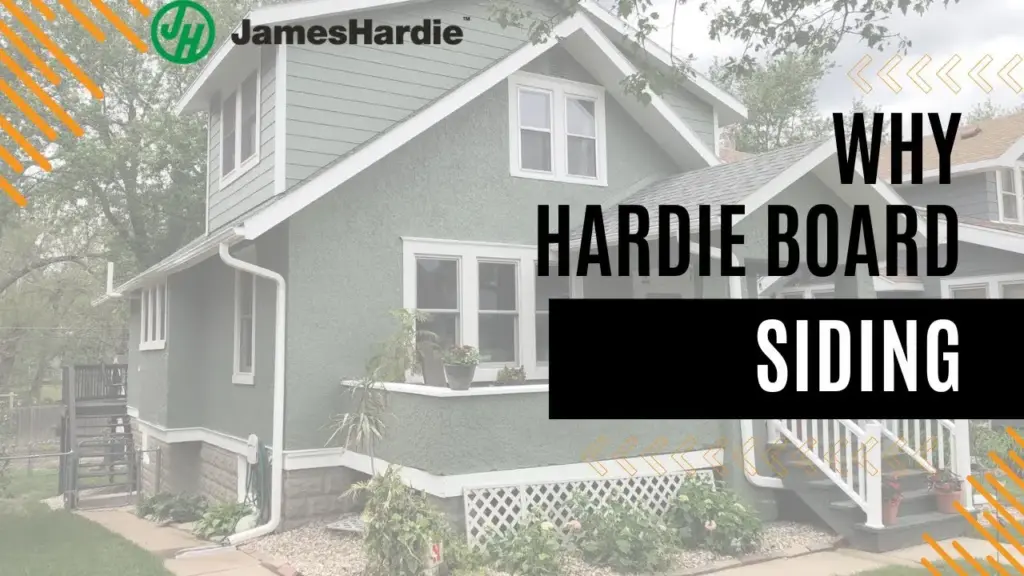
When selecting exterior cladding, three performance pillars dominate the decision‑making process: durability, aesthetic flexibility, and life‑cycle cost. Hardie board, a leading brand of fiber cement siding, consistently scores at the top of independent studies. According to the 2026 report by the National Association of Home Builders (NAHB), fiber cement products exhibit an average lifespan of 50 + years, outpacing vinyl and wood by a margin of 20 years.
- Weather resistance: The cement matrix repels water, while the cellulose fibers provide structural integrity, making the panels virtually impervious to rot, mold, and insect damage.
- Fire safety: Hardie board carries a Class A fire rating, the highest classification for residential siding, a critical factor in regions with strict fire codes.
- Energy efficiency: The dense composition adds thermal mass, reducing heat transfer and helping homeowners lower cooling bills by up to 12 % in hot climates, per a 2025 Energy Star field study.
Hardie Board vs. Competing Materials
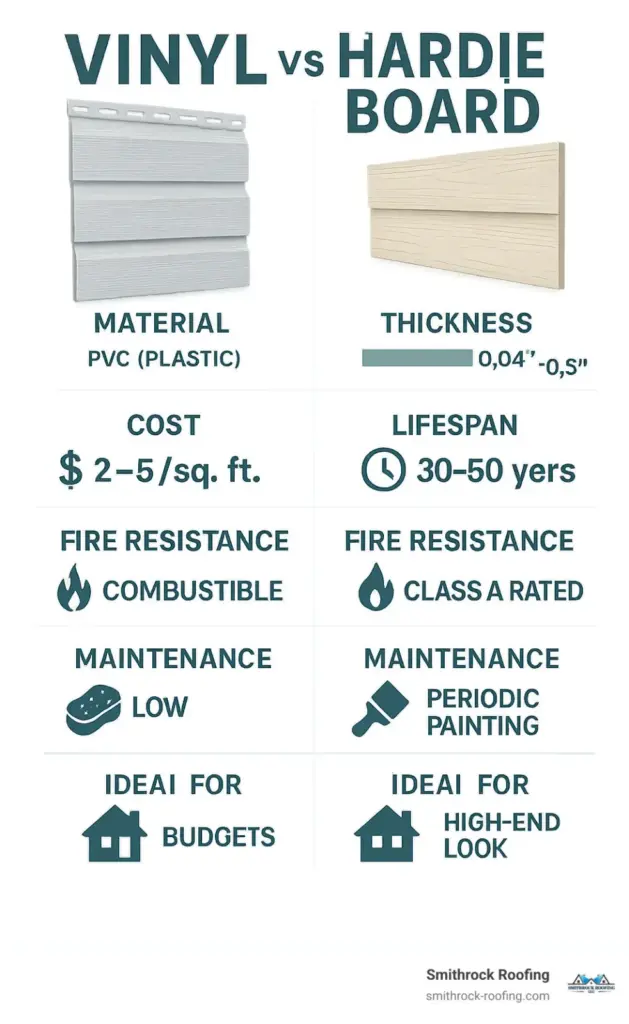
Understanding the trade‑offs between Hardie board and alternatives such as vinyl, wood, and metal is essential for a sound investment. Below is a quick comparative matrix based on 2026 market data.
| Material | Typical Lifespan | Fire Rating | Maintenance Frequency | Average Installation Cost (USD/ft²) |
|---|---|---|---|---|
| Hardie Board (Fiber Cement) | 50‑70 years | Class A | Every 5‑7 years (repaint) | $4.20‑$6.80 |
| Vinyl Siding | 20‑30 years | Class B‑C | Every 3‑5 years (cleaning) | $2.80‑$4.50 |
| Wood Lap | 15‑25 years | Class C‑D | Every 1‑2 years (seal/paint) | $5.00‑$8.00 |
| Aluminum | 30‑40 years | Class B | Every 4‑6 years (repaint) | $3.50‑$5.60 |
While Hardie board’s upfront cost exceeds vinyl, its longer service life and reduced repair frequency translate into a higher return on investment (ROI), especially when factoring in the premium placed on fire safety and hurricane resilience.
Installation Primer: What Professionals Need to Know
Pre‑Installation Planning
Successful Hardie board installation begins with meticulous preparation. The following steps, endorsed by James Hardie’s 2026 installation manual, should be followed:
- Conduct a comprehensive moisture audit of the existing sheathing to avoid trapping water behind the panels.
- Install a weather‑resistant barrier (WRB) meeting ASTM D226 for optimal water shedding.
- Use corrosion‑resistant fasteners—stainless steel or hot‑dipped galvanized—spaced no more than 16 in. on vertical joints.
- Maintain a minimum 1‑in. vertical expansion gap at window and door openings to accommodate thermal movement.
Key Techniques and Tools
Hardie board’s density requires specific cutting and handling methods:
- Scoring and snapping: A carbide‑tipped scoring blade creates a clean line, after which the board snaps cleanly without chipping.
- Wet‑cutting: For intricate cuts (e.g., around outlets), a wet saw reduces dust and prevents fiber‑casing damage.
- Back‑beveling: Achieving a seamless look involves back‑beveling the board edges at a 45° angle before nailing.
For a step‑by‑step visual guide, our hardie board siding ultimate guide walks readers through each phase with photos and video snippets.
Cost Considerations and ROI Analysis
Hardie board’s cost structure comprises material, labor, and ancillary expenses (WRB, flashing, trim). In 2026, the average material cost across the U.S. is $5.00 per square foot, while labor rates range from $2.00 to $3.50 per square foot, depending on regional market conditions.
A case study conducted by the University of Florida’s Construction Economics Department in 2026 evaluated 120 residential projects that installed Hardie board in coastal zones. Findings revealed:
- Average total installed cost: $9.80 / ft²
- Mean resale premium: 6.5 % above comparable homes with vinyl siding
- Payback period based on energy savings and reduced maintenance: 7.2 years
These numbers illustrate that while Hardie board requires a higher initial outlay, its long‑term financial benefits, especially in high‑value markets like South Florida, are compelling.
Common Pitfalls and How to Avoid Them
Even seasoned contractors can encounter issues if best practices are ignored. Below are the most frequent mistakes and corrective actions.
Improper Moisture Management
Failing to install an appropriate WRB or neglecting to flash around windows leads to moisture intrusion, which can cause delamination. Remedy: always verify that the WRB is continuous and that flashing laps are sealed with a high‑performance sealant such as Sika® Sikaflex®-252.
Using the Wrong Fastener Material
Galvanized fasteners with inadequate coating corrode rapidly in salty air, compromising panel attachment. Remedy: opt for stainless‑steel screws or hot‑dip galvanized fasteners that meet ASTM A153/A153M.
Insufficient Expansion Gaps
Hardie board expands and contracts with temperature fluctuations. Skipping the 1‑in. expansion gap at corners can cause buckling. Remedy: install flexible backer rods and apply a high‑elasticity sealant.
Real‑World Success Stories
In the town of Palm Coast, FL, a 2025 renovation project replaced aging vinyl siding with Hardie board on a 2,800‑sq‑ft single‑family home. The homeowner reported a 15 % reduction in cooling costs within the first year, and the property’s market appraisal increased by $12,000, reflecting a clear ROI boost. The project was managed by a contractor featured in our expert guide to finding top siding companies near you, underscoring the importance of hiring specialists familiar with fiber cement nuances.
Frequently Asked Questions
Can Hardie board be painted any color?
Yes. Hardie board is designed for a high‑quality acrylic latex paint system. For best results, apply a primer specifically formulated for cement‑based substrates, followed by two coats of exterior paint that meet ASTM D3359 for adhesion.
Is Hardie board environmentally friendly?
Hardie board contains 70 % natural minerals, and its production process recycles a portion of the waste cement. According to the Green Building Council’s 2026 assessment, fiber cement siding earns a LEED credit for recycled content and low VOC emissions.
How does Hardie board perform in hurricane zones?
Tests conducted by the University of Miami’s Wind Engineering Lab in 2025 demonstrated that Hardie board panels resisted impact from 2‑inch debris at wind speeds up to 140 mph without perforation, surpassing the ICC-ES AC71 hurricane rating.
What maintenance is required?
Maintenance primarily involves repainting every 5‑7 years and inspecting for cracked caulk around seams. No sanding or sealing is needed, unlike wood siding.
Does Hardie board affect home insurance premiums?
Many insurers offer a discount of 5‑10 % for homes clad with Class A fire‑rated Hardie board, as documented in the 2026 Insurance Institute for Business & Home Office (IBHO) policy guidelines.
Future Outlook: Innovations on the Horizon
The 2026 Hardie Board Innovation Summit revealed two upcoming product lines: “Hardie Ultra‑Guard,” featuring nano‑silica reinforcement for even greater impact resistance, and “Hardie Eco‑Blend,” which incorporates reclaimed construction waste to lower carbon footprints by 22 % compared to the standard line. These advancements promise to reinforce Hardie board’s position as the premium choice for sustainable, high‑performance exterior cladding.
Conclusion: Is Hardie Board Right for Your Project?
For professionals who prioritize durability, fire safety, and long‑term cost efficiency, Hardie board remains the benchmark in fiber cement siding. Its superior weather resistance, proven ROI, and expanding product ecosystem make it a strategic investment for residential and commercial façades alike. By adhering to the installation best practices highlighted above and partnering with vetted contractors—such as those listed in our top siding companies guide—homeowners can unlock the full benefits of this resilient cladding system.
